


p666 | The Fascinating World of Simulation Games: Exploring Virtual Realities and Beyond
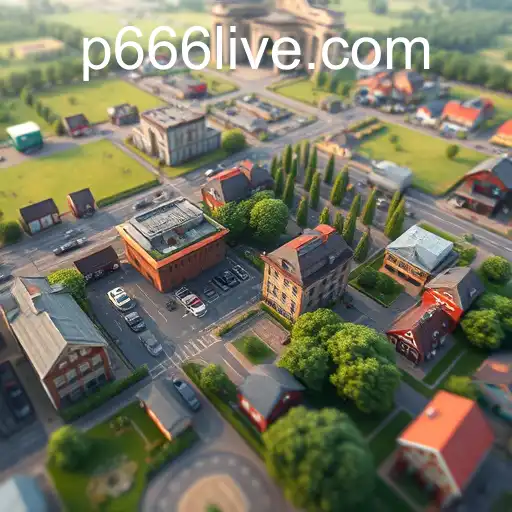
Simulation games have consistently captivated gaming enthusiasts by offering diverse worlds and scenarios for players to explore and master. This genre of gaming invites players to engage with intricate systems, manage complex tasks, and make decisions with real-world implications—all within the safety of a virtual environment.
At their core, simulation games endeavor to replicate real-life activities and processes, allowing players to step into the shoes of professionals across various fields. One of the most beloved aspects of these games is their ability to transform the mundane into the extraordinary. Whether it’s managing the infrastructure of a bustling metropolis in city-building games like SimCity or mastering the art of agriculture in titles like Farming Simulator, the genre provides something for everyone.
A key element of simulation games is their educational value. These games often require critical thinking and planning, offering players a chance to develop new skills or improve existing ones. Many simulation games are used for training purposes within industries ranging from aviation to healthcare. Flight simulators, for instance, are renowned for their realistic depiction of aircraft operation, providing pilots a safe space to practice their skills under various conditions.
Another exciting aspect is the level of control these games offer. Players can manipulate environments and scenarios, from constructing the architectural delights of a theme park to assuming the role of a mayor balancing resources and citizen satisfaction. The complexity and depth in these games foster a sense of accomplishment and creativity, pushing players to innovate new strategies and solutions.
In recent years, the genre has seen considerable expansion and diversification. Titles like The Sims have introduced elements of life-simulation, where players can control every aspect of their characters' lives, from cradle to grave. Meanwhile, games like Kerbal Space Program have offered players the chance to explore the final frontier, demonstrating the genre’s ambition and expansive nature.
The growing interest in VR technology has further propelled simulation games into new territories. Virtual reality offers even more immersive experiences, allowing players to step even closer to real-life sensations and interactions. For instance, titles like Beat Saber merge music and physical gameplay in a way that redefines player engagement.
In conclusion, the category of simulation games provides endless opportunities for exploration, creativity, and learning. As the gaming industry continues to advance technologically, the future for simulation games is promising, with ever more sophisticated and realistic experiences on the horizon.
